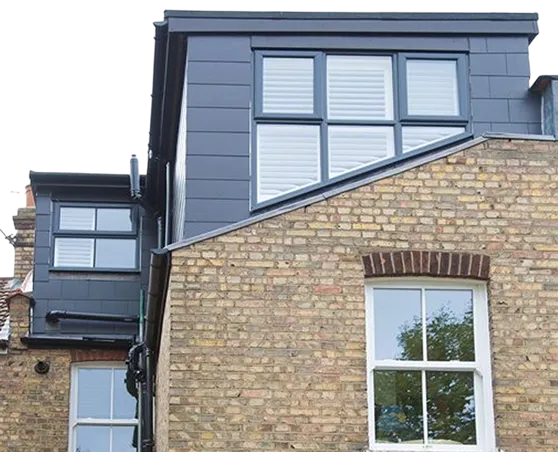

A loft conversion is one of the best ways to create more space in your home, but it can also be an opportunity to make your property more energy-efficient. Whether you want to reduce your bills, lower your carbon footprint, or both, planning an energy-efficient loft conversion UK style means your home will be warmer, greener, and future-ready.
Here’s how to approach eco loft design that combines comfort, style, and sustainability from the ground up.
Why energy efficiency matters in loft conversions
Heat naturally rises, which means your loft is one of the main areas where energy can escape. Without proper insulation and ventilation, a large amount of heat can be lost through the roof.
An energy-efficient loft conversion tackles this issue for UK homes by ensuring your new space retains warmth in winter and stays cool in summer. The result? Potentially lower heating bills, a smaller carbon footprint, and a more comfortable home all year round.
Start with the structure: insulation is key
If you want to create an eco loft design, insulation is the most important place to start. A well-insulated loft not only saves energy but also creates a quieter, more pleasant living space.
There are several types of insulation commonly used in loft conversions:
- Rigid insulation boards: Ideal for sloping roof sections, offering high performance without taking up too much space.
- Sheep’s wool or natural fibre insulation: A great eco-friendly option that’s breathable, sustainable, and naturally moisture resistant.
- Spray foam insulation: Provides an airtight seal but should always be installed by professionals who understand ventilation requirements.
An experienced loft conversion specialist will advise on the right materials for your property and ensure your insulation meets all Building Regulations.
Windows, light and ventilation
Natural light plays a huge role in the energy efficiency of your loft. Well-positioned roof windows can reduce the need for artificial lighting during the day while maintaining good airflow.
- Triple-glazed Velux windows help retain heat and reduce noise pollution.
- Solar-controlled glazing keeps the loft cool in summer.
- Automatic opening systems can improve ventilation and air quality.
To maximise daylight, think about orientation: north-facing windows bring in soft, even light, while south-facing ones provide warmth and brightness.
Heating and renewable energy options
An energy-efficient loft conversion project is the perfect chance to review your heating system. Extending your existing central heating might be the simplest option, but there are some eco-friendly alternatives worth considering:
- Underfloor heating: Efficient, evenly distributed warmth that pairs well with good insulation.
- Air source heat pumps: A renewable option that works particularly well when combined with solar panels.
- Smart thermostats: Let you control temperature room by room, saving energy when spaces aren’t in use.
If you already have solar panels fitted, then your loft can benefit directly with the clean energy generated from the sun powering lights, heating, or even an electric roof window system. Combined with a battery storage system, solar panels can introduce significant savings and eco-friendly benefits.
Sustainable materials and finishes
Sustainability isn’t just about insulation and heating. It also includes the materials you choose throughout your eco loft design.
Opt for responsibly sourced timber, recycled or reclaimed flooring, and low-VOC paints to improve indoor air quality. LED lighting and energy-efficient appliances will also keep your new space greener and cheaper to run.
And remember: the best sustainable design is built to last. Investing in high-quality craftsmanship ensures fewer repairs and replacements down the line.
What about loft insulation grants?
If you’ve looked into loft insulation grants, you may have come across various government or energy-provider schemes. Most of these are designed for low-income households or those living in properties with poor energy ratings.
It may still be worth being aware of what’s out there, however, especially if you’re improving a rental property or helping a family member upgrade their home.
You can find an up-to-date summary of available schemes, eligibility criteria, and application routes via MoneySavingExpert’s independent guide.
Designing for the future
Energy-efficient lofts don’t just benefit the planet — they future-proof your home. As energy prices rise and building standards tighten, creating a loft that meets or exceeds today’s efficiency expectations can make your property more attractive to future buyers.
Incorporating an eco loft design doesn’t have to mean compromising on aesthetics either. From stylish solar blinds to sleek underfloor heating, modern technology makes it easy to combine sustainability with luxury.
Your energy-efficient loft conversion in the UK, tailored for you by Bespoke Lofts
At Bespoke Lofts, we believe that every new space should enhance your home’s comfort, efficiency, and character. Whether you’re planning a light-filled primary suite, a peaceful home office, or a new family living area, our team can help you design an energy-efficient loft conversion UK homeowners can be proud of.
We’ll guide you through every detail — from insulation and glazing to sustainable finishes — ensuring your loft is as eco-friendly as it is beautiful.
Get in touch today to start planning your sustainable loft conversion and take the first step towards a greener, more energy-efficient home.